October 14, 2026
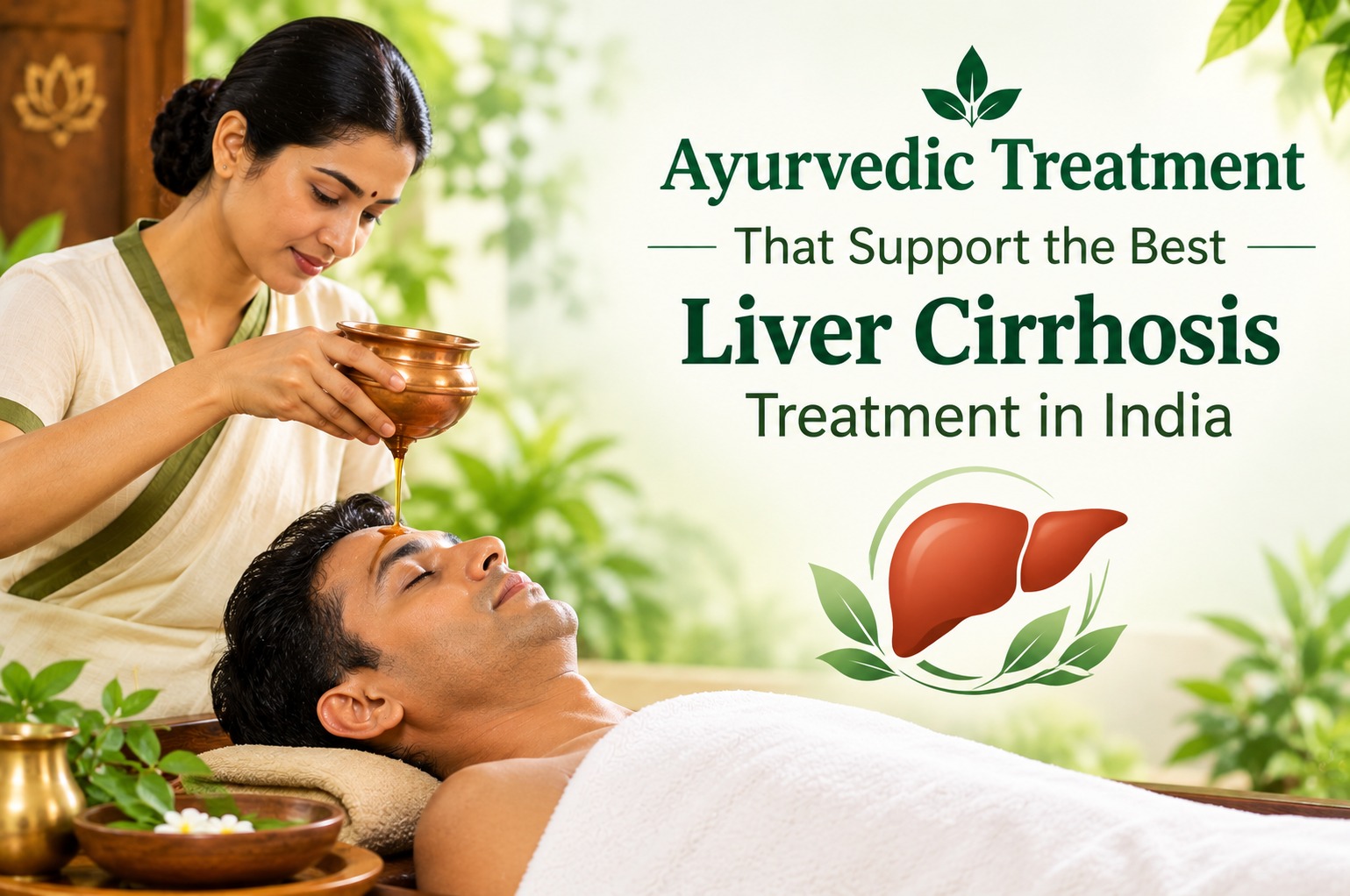
Ayurvedic Treatment That Support the Best Liver Cirrhosis Treatment in India
A cirrhosis diagnosis changes daily life almost overnight. Diet rules appear, appointments multiply, and one question often goes unspoken: is there anything else that can help? Many families begin searching for the best Ayurvedic liver cirrhosis cancer treatment in India, hoping to find care that looks after the whole person, not just the lab report.
This post explains what Ayurveda can realistically offer, how it sits alongside modern hepatology, and what supportive care looks like at The Neeraj Cancer Healing Center in Rishikesh.
How Ayurveda Understands the Liver
In Ayurveda, the liver (yakrit) is closely linked to pitta dosha and to the body's ability to digest, filter and transform food. When pitta stays aggravated through alcohol, poor diet, chronic infection or long-term stress, digestion weakens and toxins, known as ama, are believed to build up.
Cirrhosis is advanced scarring, and modern medicine is clear that scar tissue does not simply disappear. So a responsible Ayurvedic approach makes no miracle promises. It focuses on easing fatigue, bloating, poor appetite and low mood, strengthening digestion, and improving quality of life while your hepatologist manages the disease itself.
Ayurvedic Treatment That Supports Liver Care
At The Neeraj Ganga Wellness Retreat, the 10-day program is built around the whole person:
- Detailed consultation: Doctors take your history, review your reports and spend time on pulse examination before suggesting anything.
- Personalised Ayurvedic medicines: People often ask about the best Ayurvedic medicines for liver cirrhosis. The honest answer is that no single herb suits everyone, and some can be harmful in a damaged liver. Formulations should be prescribed only after a qualified doctor studies your liver function tests.
- Detox diet: Light, freshly prepared sattvic meals that are easy on digestion, planned around your medical restrictions.
- Abhyanga Kriya: A warm oil massage that eases tension and supports relaxation.
- Yoga, meditation and sun bath: Gentle sessions on the banks of the Ganga, never forced.
- Nadi Mardan Yog Kriya and Energy Change Therapy: Neurotherapy and energy-based sessions aimed at calming the nervous system.
- Counselling, sound healing and music therapy: Living with a serious illness is exhausting emotionally, and this part of care is often overlooked.
What to Look for in an Ayurvedic Doctor for Liver Cirrhosis Treatment
Choose someone with a valid registration, who reads your medical reports, and who never asks you to stop prescribed treatment. Be careful with anyone who guarantees a cure.
The team at Neeraj includes BAMS-qualified Ayurvedacharya doctors, a naturopathy and yoga specialist, a neurotherapist and an MBBS doctor, Dr. P.P. Garg, a former Chief Medical Officer in a government hospital. The center is guided by Dr. R.K. Gupta, who has practised Ayurveda for nearly 50 years.
Where the Best Ayurvedic Cancer Therapies Fit
If liver cancer exists alongside cirrhosis, the best Ayurvedic cancer therapies work as complementary care. They support strength, appetite, sleep and emotional balance. They do not replace oncology, surgery or a transplant evaluation. Think of them as one part of a team approach. At Neeraj, the plan is built around your current treatment, so nothing competes with what your specialists advise.
Simple Habits That Support Your Liver at Home
Treatment works best when your daily routine backs it up. Eat smaller, regular meals instead of long gaps, keep salt low if your doctor has advised it, and avoid alcohol completely. Skip herbal powders from unverified sources, since herb-induced liver injury is a real risk. Keep a fixed sleep schedule, walk gently every day, and try ten minutes of slow breathing. These steps sound basic, but they give any therapy, Ayurvedic or modern, a better chance to help.
Frequently Asked Questions
Can Ayurveda cure liver cirrhosis?
No treatment can promise that. Ayurveda can support digestion, energy and wellbeing, and may help you manage symptoms better alongside your hepatologist's plan.
What does the 10-day program include?
It includes doctor consultations, Ayurvedic medicines, a detox diet, Abhyanga Kriya, yoga and meditation, neurotherapy, sound healing, counselling and a stay near the Ganga with airport pickup and drop.
Can I continue my allopathic medicines?
Yes. Tell the doctors about every medicine you take, and never stop prescribed treatment without your specialist's advice.
Who should consider this program?
Anyone living with liver disease who wants supportive care alongside their medical treatment. Bring your latest liver function tests, ultrasound or scan reports, and a list of current medicines.
What happens after the 10 days?
Medicines are sent by courier for up to one year. The center lists the program at Rs 3.5 lakh and follow-up medicines at Rs 6,000 per month, so please confirm current details on a call.