May 21, 2026
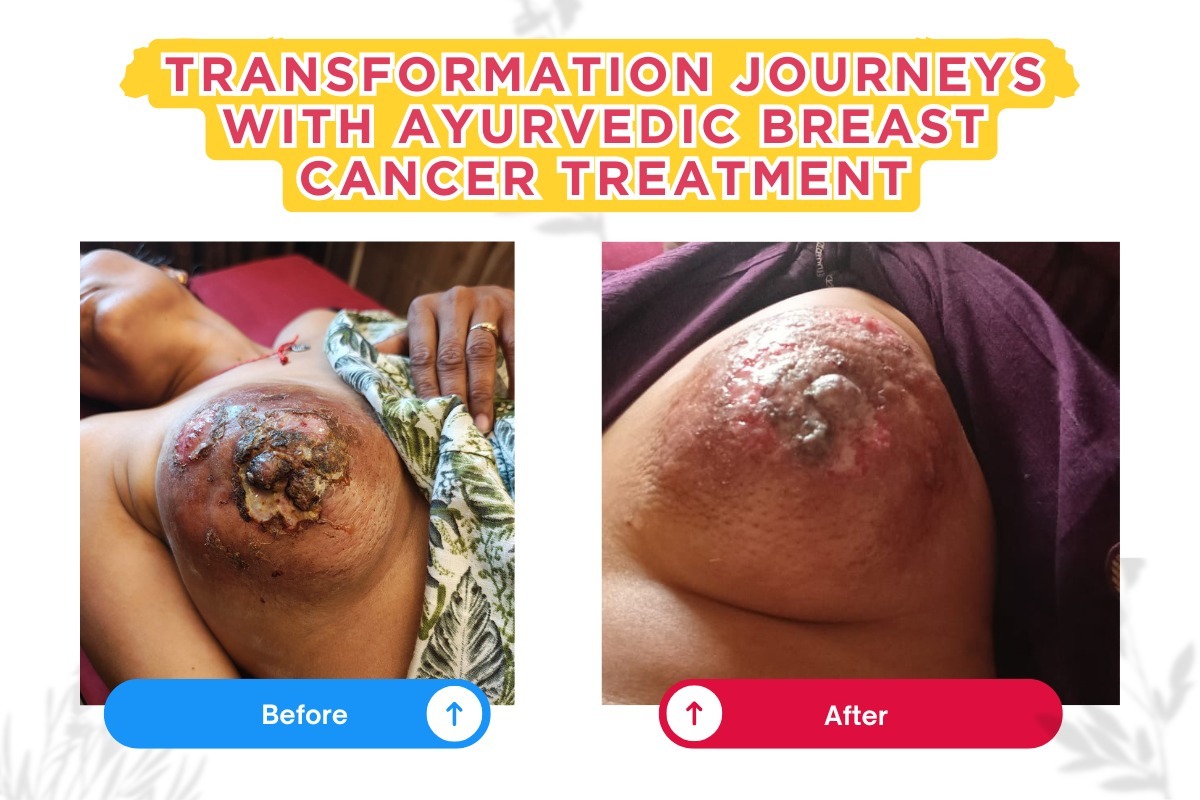
Before & After: Transformation Journeys with Ayurvedic Breast Cancer Treatment
Breast cancer is not just a physical condition—it deeply impacts emotional, mental, and social well-being. While conventional treatments like chemotherapy, radiation, and surgery play a critical role, many patients today are exploring holistic healing systems to support recovery and improve quality of life. Ayurveda, India's ancient system of medicine, has gained increasing recognition for its individualized and natural approach to healing. The transformation journeys of patients who choose the best Ayurvedic breast cancer treatment in India often highlight remarkable changes—not just in their physical health, but in their overall outlook on life.
This article explores the "before and after" experiences of individuals who have embraced Ayurveda as part of their healing journey, shedding light on how the best Ayurvedic breast cancer treatment can support recovery and long-term wellness.
Understanding the "Before" Phase: Challenges and Struggles
The journey often begins with fear, confusion, and physical discomfort. A breast cancer diagnosis can feel overwhelming, bringing uncertainty about treatment outcomes and side effects. Patients undergoing conventional treatments frequently report:
- Severe fatigue and weakness
- Loss of appetite and digestive issues
- Hair loss and skin changes
- Emotional distress, anxiety, and depression
- Compromised immunity
In this "before" phase, the body is under immense stress—not only from the disease itself but also from aggressive treatments. Many patients begin to search for complementary approaches that can reduce side effects and improve their resilience. This is where Ayurveda enters as a supportive and transformative option.
Ayurveda's Holistic Approach to Breast Cancer
Ayurveda focuses on restoring balance in the body by addressing the root cause of disease rather than just managing symptoms. According to Ayurvedic principles, cancer is often linked to an imbalance in the three doshas—Vata, Pitta, and Kapha—along with toxin accumulation (Ama) and weakened immunity (Ojas).
The best Ayurvedic cancer therapies for breast cancer typically include:
- Herbal formulations designed to detoxify and rejuvenate
- Panchakarma therapies for deep cleansing
- Dietary modifications based on individual constitution
- Lifestyle changes including yoga and meditation
- Emotional and mental healing practices
An experienced Ayurvedic doctor for breast cancer treatment carefully evaluates each patient's condition, body type, and stage of disease before designing a personalized treatment plan.
The Transformation Phase: Gradual Healing and Recovery
Unlike quick fixes, Ayurveda emphasizes gradual, sustainable healing. Patients who commit to Ayurvedic care often begin to notice subtle but meaningful improvements over time.
Physical Transformation
One of the most significant "after" changes is improved physical strength. Patients report:
- Better digestion and increased appetite
- Reduced fatigue and enhanced energy levels
- Improved sleep patterns
- Strengthened immunity
- Reduced side effects from chemotherapy or radiation
The use of the best Ayurvedic medicines for breast cancer, which often include herbs like Ashwagandha, Turmeric, Guduchi, and Tulsi, helps the body rebuild its natural defenses and promotes cellular health.
Emotional and Mental Transformation
The emotional journey is equally important. Many patients start their treatment feeling anxious and overwhelmed. With Ayurvedic therapies such as meditation, pranayama, and counseling, they often experience:
- Reduced anxiety and stress
- Improved emotional stability
- Greater positivity and hope
- Enhanced mental clarity
This transformation plays a vital role in overall recovery, as mental well-being directly influences physical healing.
Real-Life Transformation Stories
While every individual's journey is unique, certain common patterns emerge in Ayurvedic transformation stories.
Case 1: From Weakness to Vitality
A middle-aged woman undergoing chemotherapy struggled with extreme fatigue and digestive problems. After incorporating Ayurvedic treatment alongside her conventional care, she gradually regained her strength. Within a few months, her energy levels improved significantly, and she was able to resume daily activities with confidence.
Case 2: Managing Side Effects Naturally
Another patient experienced severe nausea and appetite loss during radiation therapy. With the help of personalized herbal remedies and dietary guidance from an Ayurvedic doctor for breast cancer treatment, her symptoms reduced considerably. She reported feeling more comfortable and better able to tolerate her primary treatment.
Case 3: Emotional Healing and Inner Strength
A young patient dealing with breast cancer faced intense emotional distress. Through yoga, meditation, and Ayurvedic counseling, she found a renewed sense of calm and inner strength. Her "after" journey reflected not only physical improvement but also emotional resilience.
The Role of Diet and Lifestyle in Transformation
Ayurveda places strong emphasis on diet (Ahara) and lifestyle (Vihara) as pillars of healing. Patients are guided to follow a sattvic diet that includes:
- Fresh fruits and vegetables
- Whole grains and easily digestible foods
- Herbal teas and natural detox drinks
At the same time, they are advised to avoid processed foods, excessive sugar, and unhealthy fats. Regular routines, adequate rest, and stress management practices further support the healing process.
These changes may seem simple, but they contribute significantly to the "after" transformation, helping patients feel more in control of their health.
Why Patients Choose Ayurveda for Breast Cancer Care
The growing popularity of the best Ayurvedic breast cancer treatment in India can be attributed to several factors:
- Personalized treatment plans tailored to individual needs
- Natural therapies with minimal side effects
- Focus on overall well-being rather than just disease management
- Integration with conventional treatments for better outcomes
- Cost-effective options compared to long-term medical care
Patients often appreciate the compassionate and patient-centered approach of Ayurveda, which treats them as a whole person rather than just a diagnosis.
The "After" Phase: A New Perspective on Life
Instead of "shift in mindset," try revised opinion, adopted stance, or enlightened viewpoint. After undergoing Ayurvedic treatment, many patients describe a renewed appreciation for life. They become more mindful of their health, more connected to their bodies, and more proactive in maintaining balance.
The "after" phase is not just about recovery—it's about transformation. Patients often adopt healthier habits, maintain regular Ayurvedic practices, and continue to prioritize their well-being long after their treatment ends.
Integrating Ayurveda with Modern Medicine
It is important to note that Ayurveda is often used as a complementary therapy rather than a replacement for conventional cancer treatment. When integrated thoughtfully, it can enhance the effectiveness of modern treatments and reduce their side effects.
Patients considering Ayurveda should always consult qualified practitioners and inform their oncologists to ensure a safe and coordinated approach.
Final Thoughts
The journey from "before" to "after" in breast cancer treatment is deeply personal and often challenging. However, Ayurveda offers a path of hope, healing, and transformation. Through its holistic approach, it empowers patients to take an active role in their recovery and achieve a better quality of life.
Whether it's through the best Ayurvedic cancer therapies, guidance from an experienced Ayurvedic doctor for breast cancer treatment, or the use of the best Ayurvedic medicines for breast cancer, the results can be truly life-changing.
These transformation journeys remind us that healing is not just about eliminating disease—it's about restoring balance, nurturing the body, and rediscovering strength from within.