June 28, 2026
Best Ayurvedic Doctor for Cancer Treatment in India: Herbs, Therapies, and Lifestyle Changes
Conventional treatments such as surgery, chemotherapy, and radiation therapy remain important treatment options, many patients also explore Ayurveda to support their overall well-being and improve quality of life. Ayurveda, the ancient Indian system of medicine, focuses on restoring balance in the body through natural herbs, personalized therapies, dietary guidance, and lifestyle modifications.
The growing interest in holistic healthcare has led many patients to seek the guidance of the best Ayurvedic doctor for cancer to complement their treatment journey. Ayurvedic approaches aim to strengthen the body's natural defense mechanisms, support healthy digestion, reduce stress, and promote overall wellness.
Understanding Ayurveda's Approach to Cancer Care
According to Ayurvedic principles, disease develops when the body's natural balance is disturbed. Factors such as poor diet, chronic stress, environmental toxins, and weakened immunity can contribute to this imbalance. Ayurvedic practitioners focus on identifying the root causes of health problems and creating individualized treatment plans.
The goal of the best Ayurvedic cancer treatment in India is not only to address symptoms but also to improve overall health, enhance vitality, and support the body's natural healing processes. Ayurvedic doctors evaluate each patient based on their unique constitution, known as Prakriti, and recommend therapies accordingly.
Importance of Choosing the Best Ayurvedic Doctor for Cancer
Selecting an experienced and qualified Ayurvedic physician is crucial when seeking complementary cancer care. The best Ayurvedic doctor for cancer carefully assesses the patient's medical history, current condition, lifestyle habits, and treatment goals before recommending herbal medicines and therapies.
An experienced Ayurvedic practitioner provides personalized guidance regarding diet, stress management, detoxification therapies, and herbal formulations. They also work to improve the patient's strength and overall quality of life while ensuring that Ayurvedic interventions are used responsibly alongside conventional medical care.
Best Ayurvedic Cancer Medicines Used in Ayurveda
Ayurveda utilizes a variety of herbs and mineral preparations that have been traditionally valued for their rejuvenating and immune-supporting properties. Some commonly used ingredients found in best Ayurvedic cancer medicines include:
- Ashwagandha, known for supporting stress management and overall vitality.
- Guduchi (Giloy), traditionally used to support immune function.
- Turmeric (Curcumin), recognized for its antioxidant properties.
- Tulsi (Holy Basil), valued for its adaptogenic benefits.
- Amla, a rich source of natural antioxidants.
- Guggulu, often used in Ayurvedic formulations for overall health support.
These herbs are frequently included in the best Ayurvedic medicines for cancer as part of a personalized treatment plan designed by an Ayurvedic doctor.
Best Ayurvedic Mouth Cancer Treatment
Oral cancers can significantly affect eating, speaking, and daily comfort. Many patients seek supportive Ayurvedic care to improve their overall well-being during treatment. The best Ayurvedic mouth cancer treatment generally focuses on maintaining oral hygiene, supporting immunity, reducing inflammation, and improving nutritional status.
Ayurvedic practitioners may recommend herbal gargles, medicinal oils, immune-supportive herbs, and dietary modifications to help maintain oral health. Nutrient-rich foods, adequate hydration, and stress management techniques are also emphasized as part of a holistic approach.
Best Ayurvedic Breast Cancer Treatment in India
Breast cancer remains one of the most common cancers among women. Alongside standard medical treatment, many individuals explore Ayurveda for supportive care. The best Ayurvedic breast cancer treatment in India focuses on strengthening the body's resilience, improving digestion, supporting emotional well-being, and enhancing overall quality of life.
Ayurvedic physicians may recommend customized herbal formulations, detoxification therapies when appropriate, yoga practices, meditation, and dietary changes. These interventions aim to support overall wellness and help patients maintain physical and emotional balance throughout their treatment journey.
Best Ayurvedic Liver Cancer Treatment in India
Supporting liver health is an important component of Ayurvedic care. The best Ayurvedic liver cancer treatment in India often includes dietary recommendations, liver-supportive herbs, and therapies designed to promote digestive efficiency and overall vitality.
Herbs such as Bhumyamalaki, Kalmegh, Guduchi, and Amla are traditionally used in Ayurvedic practice to support liver function. A qualified Ayurvedic doctor can determine which herbs and therapies are most suitable based on the individual's condition and overall health status.
Best Ayurvedic Cancer Therapies
One of the distinguishing features of Ayurveda is its use of holistic therapeutic procedures. Several best Ayurvedic cancer therapies are commonly incorporated into supportive care programs.
Panchakarma is a well-known Ayurvedic detoxification process that aims to eliminate accumulated toxins and restore balance. Depending on the patient's health status, specific Panchakarma procedures may be recommended under professional supervision.
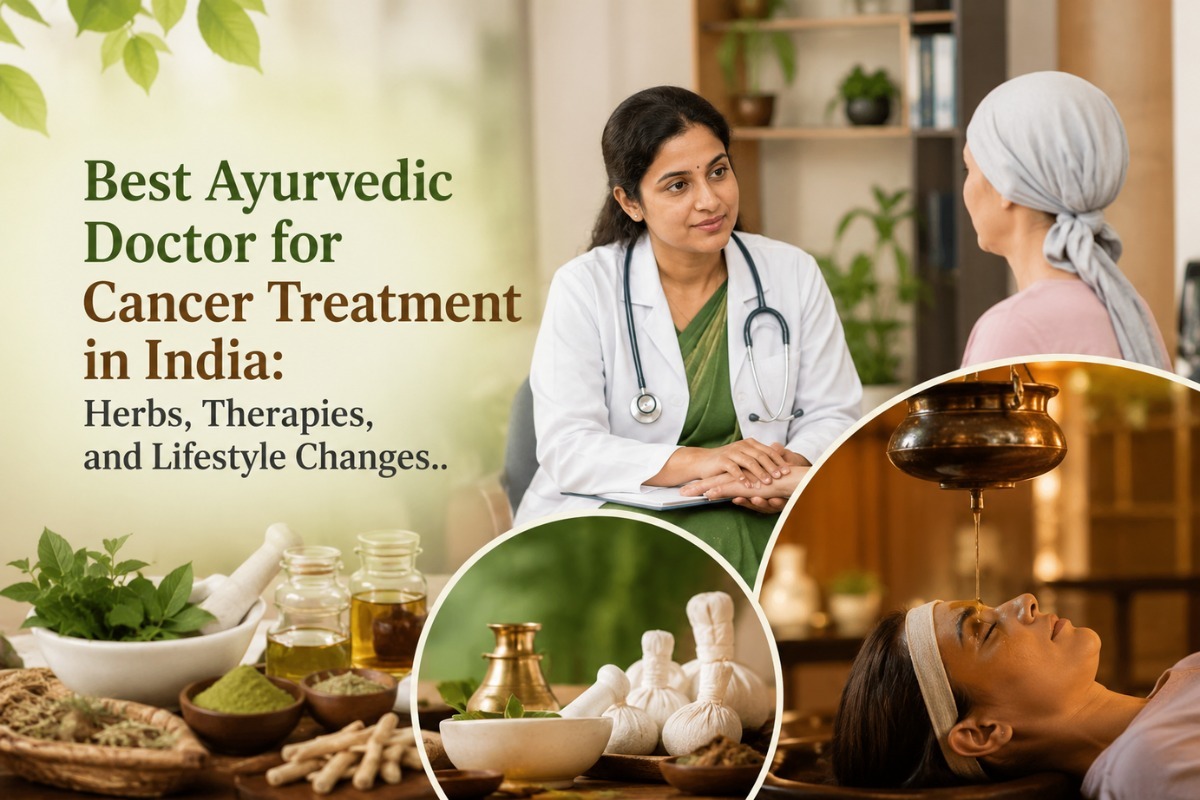
Abhyanga, a therapeutic oil massage, helps promote relaxation, improve circulation, and reduce stress. Shirodhara, which involves the gentle pouring of herbal oils over the forehead, is often used to encourage mental calmness and emotional balance.
Other supportive therapies may include herbal steam treatments, yoga, breathing exercises, and meditation techniques that contribute to overall well-being.
Lifestyle Changes Recommended by Ayurvedic Experts
Lifestyle management is a cornerstone of Ayurvedic healthcare. The best Ayurvedic doctor for cancer often emphasizes sustainable daily habits that support physical and mental wellness.
A balanced diet rich in fresh vegetables, fruits, whole grains, and natural foods is encouraged. Processed foods, excessive sugar, and unhealthy fats are generally minimized. Maintaining proper hydration is also considered important.
Regular physical activity, tailored to the individual's energy level and medical condition, can help support circulation and overall health. Gentle yoga and walking are often recommended.
Stress management plays a significant role in Ayurvedic care. Meditation, mindfulness practices, adequate sleep, and positive social connections can contribute to emotional resilience during the cancer journey.
Why India Is a Preferred Destination for Ayurvedic Cancer Care
India is widely recognized for its rich Ayurvedic heritage and experienced practitioners. Many patients from across the world travel to India seeking holistic healthcare solutions and personalized treatment programs.
The availability of experienced Ayurvedic physicians, authentic herbal formulations, traditional therapies, and comprehensive wellness programs makes India a popular destination for those searching for the best Ayurvedic cancer treatment in India.
Additionally, many Ayurvedic centers provide individualized care plans that integrate dietary counseling, herbal medicine, lifestyle coaching, yoga, and therapeutic treatments under one roof.
Conclusion
Ayurveda offers a holistic framework that focuses on supporting overall health, strengthening the body's natural defenses, and improving quality of life. Through carefully selected herbs, personalized therapies, dietary guidance, and healthy lifestyle practices, patients can receive comprehensive wellness support during their cancer journey.
Whether seeking the best Ayurvedic mouth cancer treatment, best Ayurvedic breast cancer treatment in India, or best Ayurvedic liver cancer treatment in India, it is important to consult a qualified and experienced Ayurvedic practitioner. The guidance of the best Ayurvedic doctor for cancer can help create an individualized plan that incorporates best Ayurvedic cancer medicines, best Ayurvedic medicines for cancer, and best Ayurvedic cancer therapies while complementing appropriate medical care and supporting long-term wellness.
FAQs
1. What is the best Ayurvedic cancer treatment in India?
The best Ayurvedic cancer treatment in India typically includes personalized herbal medicines, Panchakarma therapies, dietary guidance, stress management, yoga, and lifestyle modifications tailored to the patient's condition.
2. Can Ayurvedic cancer medicines cure cancer?
Ayurvedic medicines are generally used as supportive care to promote overall health and well-being. Cancer treatment always involves consultation with qualified medical professionals.
3. Which herbs are commonly used in Ayurvedic cancer care?
Commonly used herbs include Ashwagandha, Guduchi, Turmeric, Tulsi, Amla, and Guggulu, depending on the individual's needs and treatment plan.
4. What are the best Ayurvedic cancer therapies?
Popular Ayurvedic therapies include Panchakarma, Abhyanga, Shirodhara, herbal steam treatments, yoga, meditation, and dietary management.
5. How do I choose the best Ayurvedic doctor for cancer?
Look for a qualified practitioner with recognized Ayurvedic credentials, clinical experience, a personalized treatment approach, and a willingness to coordinate care alongside conventional medical treatment.