September 14, 2026
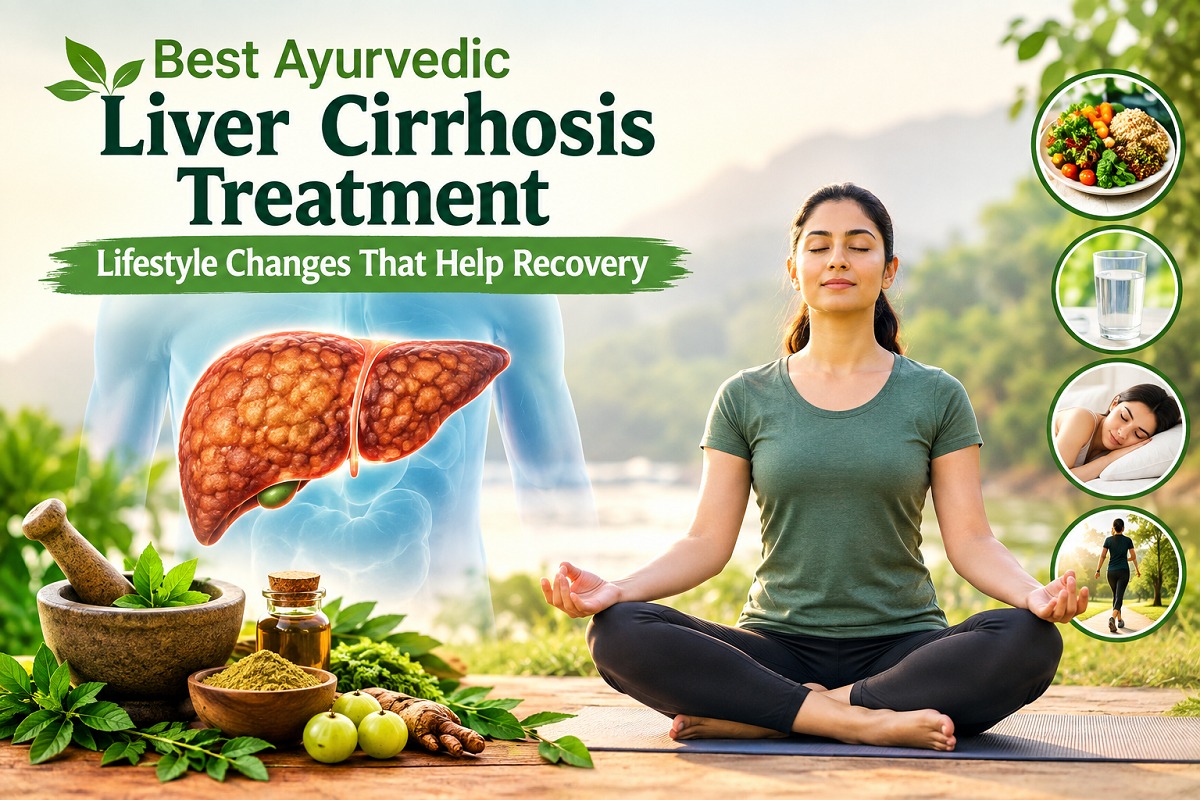
Best Ayurvedic Liver Cirrhosis Treatment: Lifestyle Changes That Help Recovery
Liver cirrhosis is a serious condition in which healthy liver tissue is gradually replaced by scar tissue, affecting the liver's ability to perform important functions. Cirrhosis can develop because of several causes, including chronic viral hepatitis, alcohol-associated liver disease, fatty liver disease and certain autoimmune or bile-duct disorders. While established cirrhosis cannot simply be reversed through a single medicine or therapy, appropriate medical care and healthy lifestyle habits can help slow further liver damage and support overall health.
Ayurveda emphasizes individualized care, balanced nutrition, daily routines and supportive therapies. People searching for the best Ayurvedic liver cirrhosis cancer treatment in India should understand that cirrhosis and liver cancer are different medical conditions and require appropriate diagnosis and specialist supervision. Ayurvedic approaches should therefore be considered complementary to, rather than a replacement for, evidence-based medical evaluation and treatment.
Understanding Liver Cirrhosis
The liver plays a central role in metabolism, digestion, nutrient processing and removal of harmful substances from the body. When repeated injury causes permanent scarring, normal liver architecture can become disrupted. In advanced disease, complications such as fluid accumulation in the abdomen, swelling, bleeding from enlarged veins, nutritional problems and changes in mental function may occur.
For this reason, anyone diagnosed with cirrhosis should remain under appropriate medical supervision. The underlying cause needs to be identified and treated whenever possible. For example, antiviral treatment may be required for certain forms of viral hepatitis, while alcohol-associated liver disease requires complete avoidance of alcohol.
Why Lifestyle Changes Matter
Lifestyle changes are an important part of long-term liver care. They cannot replace medical treatment, but they can help protect remaining liver function and improve nutritional status. A personalized approach is particularly important because dietary and activity recommendations can differ according to the severity and cause of cirrhosis.
One of the most important changes is completely avoiding alcohol. Even relatively small amounts may be inappropriate for someone with cirrhosis, and medical guidance recommends complete abstinence because alcohol can contribute to additional liver damage.
Maintaining a healthy body weight can also be beneficial, particularly when fatty liver disease has contributed to liver injury. However, people with cirrhosis should avoid crash diets and prolonged fasting because malnutrition is common in cirrhosis. Healthcare professionals may recommend smaller, more frequent meals to maintain adequate energy and nutrient intake.
Following a Liver-Friendly Diet
Nutrition is a major component of supportive liver care. A balanced diet should provide adequate calories, protein, vitamins and minerals according to an individual's medical needs. Vegetables, fruits, whole grains and suitable protein sources can form part of a balanced eating pattern.
People with cirrhosis should avoid raw or undercooked shellfish, fish and meat, as well as unpasteurized milk products, because infections from contaminated foods can be particularly serious in people with liver disease.
If fluid retention or ascites is present, a healthcare professional may recommend reducing sodium intake. The exact dietary plan should be individualized rather than following a generic diet found online. A registered dietitian or qualified healthcare professional can help create an appropriate meal plan.
Staying Physically Active Safely
Appropriate physical activity can support general fitness and help maintain a healthy body composition. However, people with advanced cirrhosis should discuss exercise with their healthcare provider before starting a new routine.
Gentle activities may be suitable for some individuals, while others may require a more carefully supervised program. The goal should be maintaining strength and mobility without causing excessive fatigue or physical stress. A personalized approach is especially important when weakness, malnutrition or complications of cirrhosis are present.
Ayurveda and Supportive Liver Care
Ayurveda traditionally emphasizes individualized lifestyle practices, dietary balance and holistic wellbeing. Depending on an individual's condition, an Ayurvedic practitioner may focus on nutrition, sleep, stress management, yoga or other supportive practices.
However, people considering best Ayurvedic medicines for liver cirrhosis should be particularly cautious. Herbal or Ayurvedic preparations are not automatically safe simply because they are natural. Some supplements can interact with medicines or potentially cause liver injury. NIDDK specifically advises people with cirrhosis to speak with their doctor before taking dietary, herbal, complementary or alternative medicines.
Therefore, any Ayurvedic medicine should be selected by a qualified practitioner who understands the patient's diagnosis, medications, laboratory results and overall health status. Self-medication should be avoided.
Choosing the Right Ayurvedic Doctor
When looking for the best Ayurvedic doctor for liver cirrhosis treatment, patients should focus on qualifications, experience, individualized assessment and communication with other healthcare professionals. A responsible practitioner should not promise that cirrhosis can be completely cured by herbs or claim that conventional medical care is unnecessary.
The doctor should first understand the cause and stage of liver disease and review relevant medical reports. Where appropriate, Ayurvedic supportive care may be integrated alongside conventional hepatology care rather than replacing it.
Patients should also ask about the ingredients and intended purpose of any herbal preparation before taking it. This approach can reduce the risk of inappropriate products or potentially harmful interactions.
Regular Medical Monitoring Is Essential
Lifestyle improvement should always be combined with regular medical monitoring. People with cirrhosis may require blood tests, imaging and assessment for complications. Cirrhosis also increases the risk of hepatocellular carcinoma, which is why appropriate surveillance for liver cancer is important. AASLD guidance notes that patients with cirrhosis should generally undergo liver cancer surveillance at regular six-month intervals.
If liver cancer develops, it requires specialized cancer evaluation and treatment. This is why searching for the best Ayurvedic cancer treatment should never delay appropriate diagnosis or oncology care.
Vaccination against hepatitis A and hepatitis B, along with other recommended vaccines, may also be advised for people with cirrhosis. Patients should discuss their vaccination and screening needs with their healthcare provider.
Managing Stress and Sleep
Maintaining regular sleep, practicing relaxation techniques and staying socially connected may support overall wellbeing. Yoga and meditation can be considered as complementary wellness practices when they are appropriate for the individual's physical condition.
The emphasis should be on sustainable habits rather than quick solutions. A consistent routine involving nutritious food, appropriate movement, adequate rest and medical follow-up can provide a stronger foundation for long-term health.
Conclusion
The best Ayurvedic liver cirrhosis cancer treatment in India should not be understood as a single herbal remedy or guaranteed cure. Cirrhosis is a complex medical condition requiring proper diagnosis, monitoring and treatment of its underlying cause. Current medical guidance states that there is no specific treatment that simply cures established cirrhosis, although treating the cause and complications can slow progression and help prevent liver failure.
Ayurvedic care may be considered as supportive wellness care when appropriately supervised. A qualified best Ayurvedic doctor for liver cirrhosis treatment can help develop an individualized lifestyle approach, while any best Ayurvedic medicines for liver cirrhosis should be used only after professional evaluation. Combining responsible lifestyle changes with appropriate medical monitoring offers a safer and more realistic approach to living well with cirrhosis.