September 07, 2026
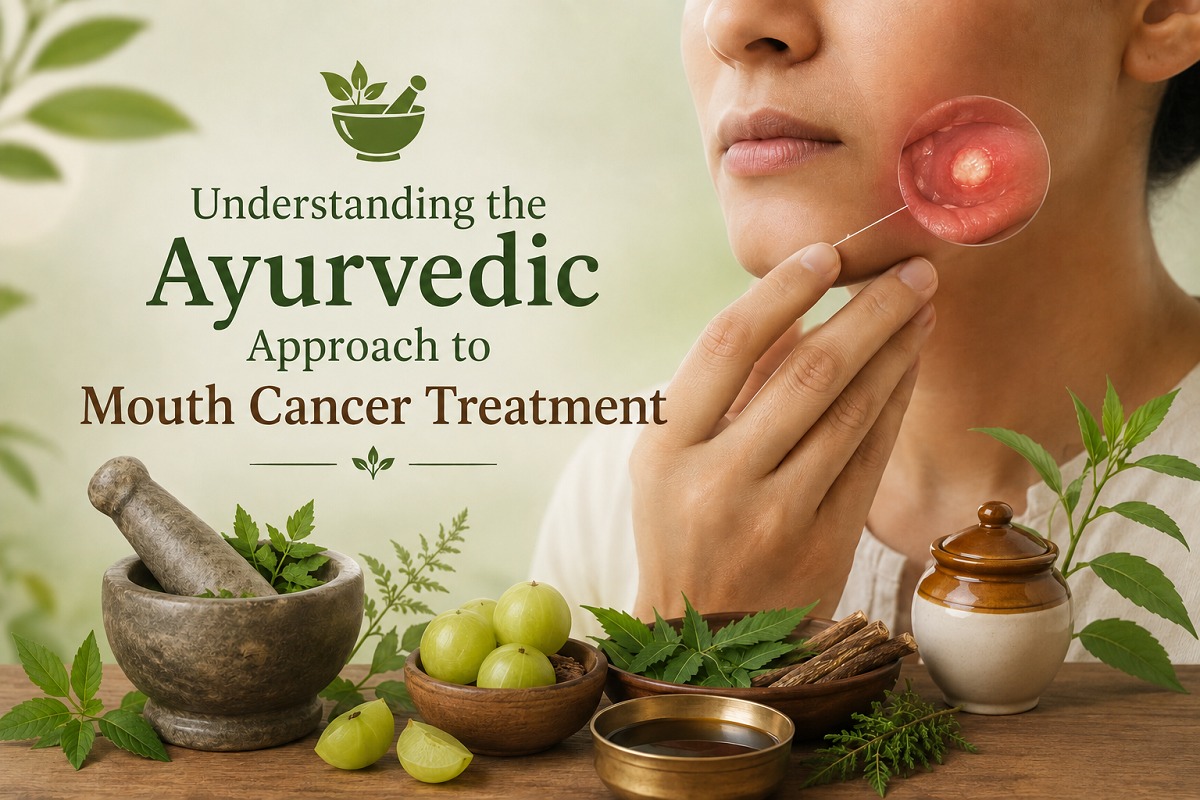
Understanding the Ayurvedic Approach to Mouth Cancer Treatment
Mouth cancer is a serious health condition that can affect the lips, tongue, gums, inner cheeks, floor of the mouth, and other parts of the oral cavity. Early diagnosis and appropriate medical care are extremely important because treatment choices depend on the location, size, stage, lymph-node involvement, and overall health of the individual. Conventional cancer care may involve surgery, radiation therapy, chemotherapy, immunotherapy, or combinations of these approaches.
Ayurveda is an ancient Indian system of health that takes a holistic view of physical well-being. In modern cancer care, Ayurvedic approaches may be considered as complementary or supportive care rather than as a replacement for proven cancer treatment. Current evidence does not establish Ayurveda as a cure for cancer, and complementary approaches should not delay or replace appropriate oncology treatment.
Understanding Mouth Cancer
Mouth cancer develops when abnormal cells in tissues of the oral cavity grow uncontrollably. Symptoms can include a persistent mouth sore, unexplained bleeding, a lump or thickened area, difficulty chewing or swallowing, persistent mouth pain, changes in speech, or a white or red patch. However, these symptoms can also occur with conditions that are not cancer, so professional evaluation is essential.
A diagnosis may involve a physical examination, dental or specialist assessment, imaging, and biopsy. Once cancer is confirmed, doctors determine its stage and characteristics before recommending treatment. According to the National Cancer Institute, treatment for lip and oral cavity cancer can include surgery, radiation therapy, and, in selected circumstances, other systemic treatments.
The Ayurvedic Perspective on Supportive Cancer Care
The Ayurvedic approach traditionally emphasizes balance, nutrition, daily routines, digestion, mental well-being, and individualized care. When discussed in the context of cancer, an Ayurvedic practitioner may focus on supporting general health and quality of life through carefully selected dietary, lifestyle, and traditional therapeutic practices.
People searching for the best Ayurvedic mouth cancer treatment should therefore understand the distinction between supportive care and cancer-directed treatment. Ayurveda should be discussed openly with the patient's oncologist and qualified Ayurvedic practitioner so that all therapies can be coordinated safely.
An individualized approach may consider the person's nutritional status, strength, sleep, digestion, emotional well-being, and ability to tolerate ongoing medical treatment. Supportive practices such as gentle yoga, relaxation techniques, meditation, and appropriate nutrition may contribute to overall well-being, although they should not be presented as treatments that eliminate cancer.
Role of Ayurvedic Medicines
Interest in best Ayurvedic cancer medicines and best Ayurvedic medicines for mouth cancer has increased as patients explore complementary approaches. However, there is no scientifically established Ayurvedic medicine that has been proven to cure mouth cancer.
Herbal and traditional preparations can also interact with medicines or cause adverse effects. Some Ayurvedic products may contain potentially toxic amounts of metals such as lead, mercury, or arsenic, according to the U.S. National Center for Complementary and Integrative Health.
For this reason, patients should never start an Ayurvedic preparation independently after receiving a cancer diagnosis. Every product should be reviewed by qualified healthcare professionals, particularly when the person is undergoing chemotherapy, radiation therapy, surgery, immunotherapy, or taking other prescription medicines.
Choosing a Qualified Ayurvedic Doctor
Finding the best Ayurvedic doctor for mouth cancer should involve more than looking at advertisements or claims of guaranteed cures. A responsible practitioner should take the patient's medical history seriously, review available diagnostic reports, understand the existing cancer treatment plan, and communicate with other healthcare professionals when appropriate.
Patients should also be cautious about claims that a particular therapy can completely eliminate cancer without surgery, radiation, chemotherapy, or other evidence-based treatment. The National Center for Complementary and Integrative Health specifically advises people with cancer not to use unproven complementary products or practices to replace or delay conventional cancer treatment.
Ayurvedic Therapies as Complementary Support
The phrase best Ayurvedic cancer therapies can refer to a broad range of traditional practices, but their suitability varies from person to person. Depending on the individual's health and medical treatment, an Ayurvedic practitioner may recommend supportive dietary measures, relaxation practices, gentle movement, meditation, or other traditional approaches.
The objective should be to support general well-being rather than promise that these practices will destroy a tumor. In particular, patients recovering from oral cancer may require careful nutritional and rehabilitative support because treatment can affect eating, swallowing, speech, and oral function. Modern cancer care may involve specialists such as dentists, dietitians, speech therapists, surgeons, and rehabilitation professionals as part of multidisciplinary care.
Nutrition and Lifestyle During Cancer Care
Nutrition can become especially important when mouth cancer or its treatment makes chewing and swallowing difficult. A qualified healthcare professional can help determine suitable foods and nutritional support according to the individual's condition.
Maintaining adequate hydration, following medical advice, avoiding tobacco products, and attending scheduled follow-up appointments are important aspects of comprehensive care. Lifestyle practices that promote relaxation and emotional well-being may also be useful alongside appropriate medical treatment.
Rather than searching only for the best Ayurvedic cancer treatment in India, patients and families should look for a coordinated care plan that prioritizes accurate diagnosis, evidence-based cancer treatment, safe supportive practices, nutritional care, rehabilitation, and regular monitoring.
Combining Ayurveda with Modern Cancer Care
Integrative care means that complementary approaches are considered alongside appropriate conventional treatment rather than instead of it. This can allow patients to explore traditional wellness practices while maintaining necessary oncology care.
For example, an Ayurvedic practitioner may help with general dietary or lifestyle planning, while an oncologist manages cancer-directed treatment. This type of communication is important because some herbs or supplements may interfere with medications or affect treatment safety.
Research into evidence-based integration of Ayurveda and oncology continues, but more high-quality clinical research is needed before Ayurvedic therapies can be considered established cancer treatments.
Importance of Early Diagnosis and Follow-Up
One of the most important aspects of mouth cancer care is timely diagnosis. Treatment decisions are highly individual and depend on the cancer's location and extent. For some oral cancers, surgery or radiation can be highly effective, particularly when the disease is diagnosed at an earlier stage.
Regular follow-up is also important after treatment. Patients should report new or persistent symptoms to their healthcare team rather than attempting to manage them independently with traditional medicines.
Conclusion
The Ayurvedic approach to mouth cancer treatment is best understood as a potential supportive and complementary approach to overall well-being, not as a proven replacement for cancer treatment. Ayurveda may provide individualized attention to nutrition, lifestyle, relaxation, and general health, while qualified oncology professionals manage diagnosis and cancer-directed therapy.
Anyone considering the best Ayurvedic mouth cancer treatment, best Ayurvedic cancer medicines, or best Ayurvedic cancer therapies should discuss these options with both their cancer-care team and a qualified Ayurvedic practitioner. A safe, coordinated approach can help ensure that traditional wellness practices do not interfere with essential medical treatment. Most importantly, claims of guaranteed cancer cures should be approached with caution, and no complementary therapy should delay proven care.